1624 W War Memorial Dr, Peoria, IL 61614

Surgery That Goes Beyond Bones and Joints
Soft tissue surgery is a broad category that covers just about any procedure that isn't orthopedic, and it's one of the most common ways our veterinary surgeons help pets, from planned, preventative surgeries to urgent, life-saving interventions. Our Meadowbrook Veterinary Clinic team in South Peoria is experienced across a wide surgical range, handling everything from routine spays to complex exploratory procedures with the same level of care.
What stays consistent, no matter the procedure, is our approach: careful safety protocols, an anesthetic plan built around your pet, and honest communication so you know exactly what's happening before, during, and after surgery. Surgery is stressful enough without added uncertainty, and we try to remove as much of that as we can.
Procedures We Perform
Our surgical team offers a full range of soft tissue procedures, including:
- Spay: Removing a female pet's ovaries and uterus to prevent unplanned litters and reduce the risk of uterine disease and mammary tumors. Many owners also notice fewer heat-cycle behaviors like restlessness or vocalizing afterward.
- Neuter: Removing a male pet's testicles to prevent unwanted litters, eliminate testicular cancer risk, and reduce hormone-driven behavior. Roaming and marking often decrease noticeably post-surgery.
- Mass (lump) removals: Surgical removal of concerning skin or subcutaneous growths, typically paired with histopathology to confirm what the mass actually is. Catching a mass early usually means a more straightforward surgery and an easier recovery.
- Cystotomy (bladder stone removal): Removing bladder stones to relieve pain, straining, and the risk of a dangerous urinary blockage. We often recommend a diet adjustment afterward to reduce the odds of stones forming again.
- Exploratory surgery: A direct look inside the abdomen to remove blockages or take biopsies when other diagnostics haven't given us a clear answer. This is frequently an urgent procedure, since intestinal blockages can turn life-threatening quickly.
- Aural hematoma repair: Draining and repairing blood pooled within the ear flap, usually caused by an underlying ear infection or irritation. Addressing that root cause alongside the repair lowers the odds of it recurring.
- Gastropexy: Securing the stomach to the abdominal wall to help prevent bloat, a serious risk for large, deep-chested breeds. This can be done proactively, often alongside a spay or neuter, or urgently if bloat has already set in.
How We Approach Every Surgery
Regardless of the procedure, every surgical patient goes through the same safety-focused process.
Before anesthesia, your pet receives a full preoperative exam. Pets over 7 years old are required to have bloodwork within 30 days of surgery; younger pets have that option as well, depending on their health history.
Once cleared, we build an individualized anesthetic plan based on your pet's size, age, and overall health. A certified veterinary technician stays with your pet throughout, monitoring them closely before, during, and after the procedure. Every surgical patient also receives an IV catheter with fluid therapy, continuous anesthetic monitoring, and medication to manage pain and nausea.
Recovering at Home
How long recovery takes depends on the procedure, but every pet goes home with clear, procedure-specific aftercare instructions, which generally cover:
- How much rest and activity restriction your pet needs during healing
- Pain management and any prescribed medication
- What a healthy incision looks like, versus signs of a problem
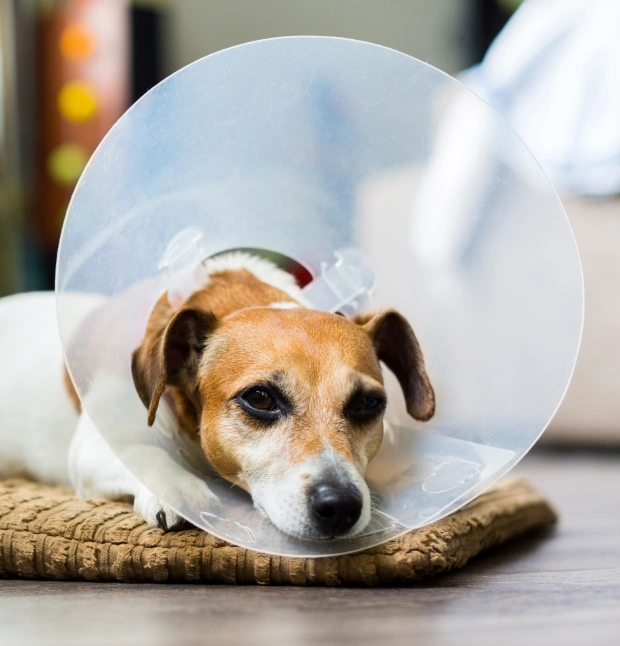
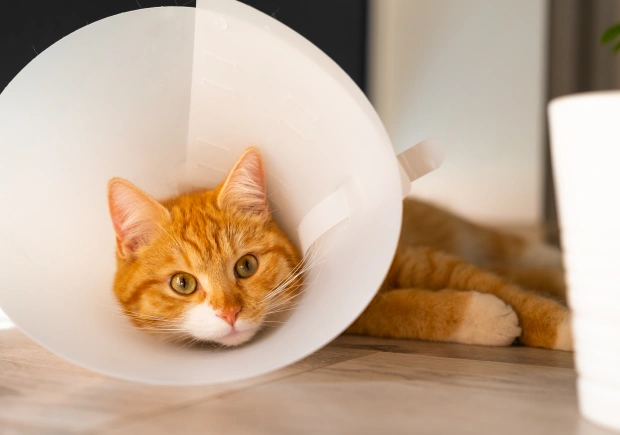
- An e-collar or recovery suit, if your pet needs one to avoid licking or chewing the site
- A scheduled recheck to confirm healing is on track
If you notice swelling, discharge, excessive licking, or any behavior change during recovery, don't wait it out. Give us a call so we can take a look.
Signs Your Pet Might Need Surgical Evaluation
Some procedures, like spays, neuters, and preventative gastropexy, are planned well ahead of time. Others come up suddenly. Contact us promptly if your pet shows:
- Persistent vomiting or an inability to keep food down
- A swollen, painful, or rapidly distending abdomen
- Straining to urinate, or blood in the urine
- A lump that's growing, changing, or clearly bothering them
- Sudden swelling or drooping of the ear flap
Ready to Talk Through Your Pet's Surgical Needs?
Whether you're planning a routine spay or neuter or dealing with a more urgent surgical concern, our team is ready to walk you through every step, from consultation to full recovery. Call Meadowbrook Veterinary Clinic, South Peoria today to schedule a surgical consultation and learn how we can provide safe, compassionate care for your pet before, during, and after surgery.
Compassionate Care and a
Warm Welcome for Every Pet
