1624 W War Memorial Dr, Peoria, IL 61614


Why Prevention Matters More Than Treatment
Most pet health problems are easier to manage, and far less expensive to treat, when they're caught early. That's the thinking behind preventative veterinary care: rather than waiting for symptoms to show up, we look for warning signs before they become serious. Routine preventative care also helps establish a health baseline for your pet. By tracking changes in weight, behavior, mobility, and overall health over time, veterinarians can often identify subtle issues long before they become noticeable at home.
Every pet is different, so a cookie-cutter checklist doesn't cut it. Our veterinarians in Meadowbrook Veterinary Clinic build a wellness plan around your pet's age, breed, lifestyle, and health history, then adjust it as your pet grows and their needs change.
Inside a Wellness Exam
A typical wellness visit is thorough, not rushed. Regular checkups give you the opportunity to ask questions about nutrition, behavior, exercise, and any concerns you may have throughout your pet's life. Here's what we check:
- Full physical exam, from nose to tail, including heart, lungs, joints, skin, and coat
- Weight and body condition scoring
- Eyes and ears
- Teeth and gums
- Vaccine status and updates
- Heartworm, flea, and tick prevention
- Parasite screening, including fecal testing when needed
- Diet and lifestyle guidance
- Behavior check-in, if you have concerns
- Microchip verification or placement
Depending on your pet's age or risk factors, we may recommend additional screening or bloodwork to get a fuller picture of their health.
Vaccines for Building Immunity Before It's Needed
Vaccinating your pet trains their immune system to recognize and fight disease-causing organisms before an infection ever takes hold. It's one of the most cost-effective tools in veterinary medicine, and it's a big reason why diseases that were once common in pets are now rare.
A few things vaccines do for your pet:
- Prevent serious, sometimes, fatal illnesses
- Reduce the risk (and cost) of treating preventable disease
- Limit the spread of illness between animals, and occasionally between animals and people
- Protect against threats like rabies and distemper carried by wildlife
- Help you meet local licensing and boarding requirements
No vaccine is a 100% guarantee, but staying current on your pet's schedule dramatically lowers their risk and keeps any gaps in protection closed.
Why One Dose Isn't Enough for Puppies and Kittens
Newborn puppies and kittens get some temporary immunity from their mother's milk, but that protection fades and can even interfere with early vaccines. That's why young pets need a series of vaccinations, usually spaced three to four weeks apart, finishing around the four-month mark.
Skipping doses or stopping the series early leaves real gaps in protection. Our vets will map out a schedule for your puppy or kitten and make sure nothing gets missed.
Which Vaccines Does My Pet Actually Need?
Not every pet needs the exact same vaccines. Core vaccines are recommended for nearly all pets because they protect against serious diseases that pose a widespread risk.

Core vaccines for dogs include Rabies, DHPP (also called DAPP), and Leptospirosis, which protect against several serious and highly contagious diseases. Depending on your dog's lifestyle and risk of exposure, we may also recommend non-core vaccines such as Bordetella (Kennel Cough), Canine Influenza, and Lyme disease.

Core vaccines for cats include Rabies and FVRCP, which protects against Feline Herpesvirus, Calicivirus, and Panleukopenia. Cats with outdoor access or increased exposure to other cats may also benefit from non-core vaccines such as Feline Leukemia Virus (FeLV) and Feline Immunodeficiency Virus (FIV).
We'll talk through your pet's routine, whether that's daycare visits, boarding stays, or time outdoors, to figure out which non-core vaccines make sense. By tailoring recommendations to your pet's daily activities and environment, we can help provide protection without giving vaccines that may not be necessary.
Dental Health Is Whole-Body Health
Dental disease is one of the most under-treated conditions in pets, and it doesn't stay confined to the mouth. Bacteria from infected gums can travel through the bloodstream and affect the heart, liver, and kidneys over time. That's why a dental check is part of every wellness visit, along with tips for keeping plaque and tartar in check between appointments.
Regular dental evaluations also help identify broken teeth, oral infections, gum disease, and other painful conditions that pets often hide. Addressing these issues early can improve comfort, eating habits, and overall quality of life.
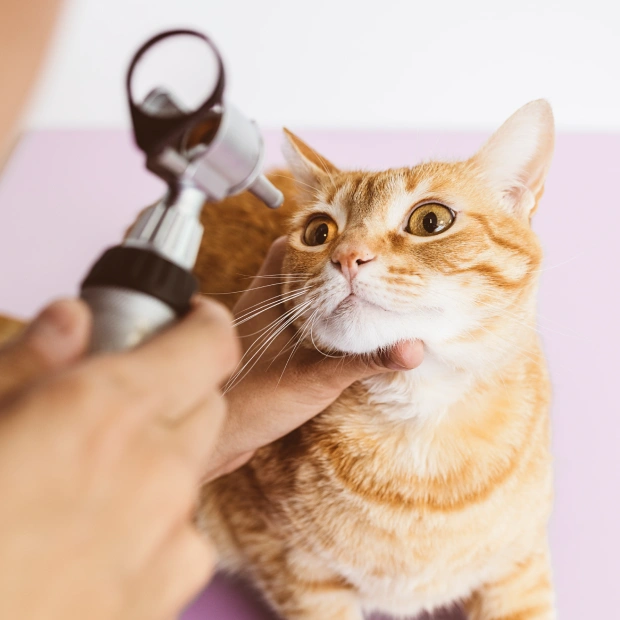
Eye Exams Catch Problems Early
Vision problems often develop slowly, which means they're easy to miss until they've progressed. Our vets check for common issues like cataracts, glaucoma, dry eye, and corneal scratches during every routine exam. If something needs specialist attention, we'll refer you to a trusted veterinary ophthalmologist.
Signs worth watching for at home:
- Cloudiness or a change in eye color
- Redness or pale color inside the lower eyelid
- Discharge, tearing, or crust around the eyes
- Squinting, pawing at the face, or visible irritation
- A visible third eyelid
- Uneven pupil size
If you notice any of these, don't wait for the next scheduled visit, give us a call.
Microchipping: A Permanent Backup Plan
Tags and collars can slip off, but a microchip stays put. It's a rice-grain-sized chip placed just under the skin in seconds, linked to a unique ID number in a national recovery database. If your pet ever gets lost, a quick scan at any vet clinic or shelter can reconnect them with your contact information.
Microchipping is safe, permanent, and does not require batteries or ongoing maintenance. We can place and register a chip during any wellness visit, and we'll also remind you to keep your contact information up to date so it remains effective if your pet is ever found.
Year-Round Parasite Protection
Fleas, ticks, and heartworm aren't just a summer problem in Illinois. As part of your pet's regular checkup, we'll review their current prevention plan, run heartworm testing when appropriate, and recommend protection that matches their actual lifestyle and exposure.
Parasites can cause more than itching or discomfort. Some spread serious diseases, while others may affect both pets and people. Consistent year-round prevention is one of the simplest ways to reduce these risks and keep your pet healthier throughout the year.
Ready to Build Your Pet's Wellness Plan?
Whether it's time for a vaccine booster, a dental check, or an annual exam, our team is ready to help you stay ahead of problems instead of reacting to them.
Preventative care is an investment in your pet's long-term health, comfort, and quality of life. By scheduling regular wellness visits and staying current with recommended care, you can help your companion enjoy a healthier, happier future at every stage of life. Call our Meadowbrook Veterinary Clinic in South Peoria, and our team will help you get an appointment for your pet.
Compassionate Care and a
Warm Welcome for Every Pet
