Great Careers Start Here! We’re Hiring a Part-time or Full-Time Veterinarian. Learn More.

When your dog or cat needs surgery, preparing for the procedure involves more than choosing a date. You may need to adjust your routine, arrange transportation, prepare a resting area, and understand what your pet will need once they return home. Having a plan in place can reduce last-minute stress and help you focus on your companion’s recovery.
Every pet responds differently to veterinary care. Age, temperament, existing health concerns, and the type of procedure can all affect preparation and recovery. Taking time to discuss these details with your veterinarian helps you understand what is appropriate for your pet.
For families in South Peoria, IL, preparing for pet surgery starts with clear communication and practical planning. Here are several ways to help your pet feel more comfortable and support their safety before and after a procedure.
Start With a Conversation About Your Pet’s Needs
Before surgery day, make sure you understand why the procedure is recommended and what it involves. Ask your veterinarian about the expected benefits, possible risks, anesthesia, pain management, and likely recovery period.
This conversation is also a good time to share details that might affect your pet’s care. Mention any previous reactions to medications or anesthesia, ongoing health conditions, current prescriptions, supplements, and recent changes in appetite or behavior.
If your pet becomes anxious around unfamiliar people or environments, let the veterinary team know. They may be able to suggest ways to make check-in and handling less stressful.
A Few Days Before Surgery: Get Organized
Confirm Feeding and Medication Instructions
Your veterinary team may provide specific directions about food, water, and medications before the procedure. These instructions matter because they can affect anesthesia safety and your pet’s preparation.
Do not assume your pet should stop eating at a particular time or that regular medication should be skipped. Instructions vary depending on the animal, procedure, and medical history. Contact the clinic if anything is unclear.
Keep a written list of medications and supplements, including doses and the times they are usually given. This can help you communicate accurate information to the veterinary team.
Plan a Calm Trip to the Clinic
Arrange transportation ahead of time so you are not rushing on the day of surgery. Cats should travel in a secure carrier, while dogs should be safely restrained during the drive.
Bring any requested paperwork or medication details. Confirm the arrival time, expected pickup arrangements, and the best number to use if the clinic needs to contact you.
Prepare Your Home for Recovery
Think about where your pet will rest after coming home. Choose a quiet, comfortable area with clean bedding, easy access to water as instructed, and limited opportunities to climb, jump, or run.
If your pet normally sleeps on a bed or sofa, plan an alternative resting spot at floor level. Use gates or close off stairs if needed. Preparing the space before surgery helps avoid unnecessary movement while your pet is recovering.
On Surgery Day: Keep Things Simple
Pets can pick up on changes in routine, so aim for a calm morning. Follow the clinic’s instructions carefully, including any guidance about feeding, water, and medication.
Before leaving home, take your dog out for a bathroom break if appropriate and permitted by the veterinary team. For cats, keep the carrier secure and avoid opening it in unfamiliar surroundings.
At check-in, share any new symptoms or changes that occurred overnight. Even something that seems minor, such as vomiting or reduced energy, may be relevant to the veterinarian’s decision about proceeding.
Ask when you should expect an update and how discharge instructions will be provided. Knowing what to expect can make the waiting period easier to manage.
Making Recovery More Comfortable
Follow the Discharge Plan
After anesthesia, some pets may be sleepy or less active for a while. Your veterinary team will explain what is expected for your pet and when to seek advice. Follow the specific feeding, water, medication, and rest instructions provided at discharge.
Give prescribed medication exactly as directed. Never use human pain relievers unless your veterinarian specifically instructs you to, because some can be dangerous for pets.
Protect the Incision
Check the surgical area as directed by your veterinarian. Increasing redness, swelling, discharge, bleeding, an unpleasant odor, or an opening in the incision should prompt a call to the clinic.
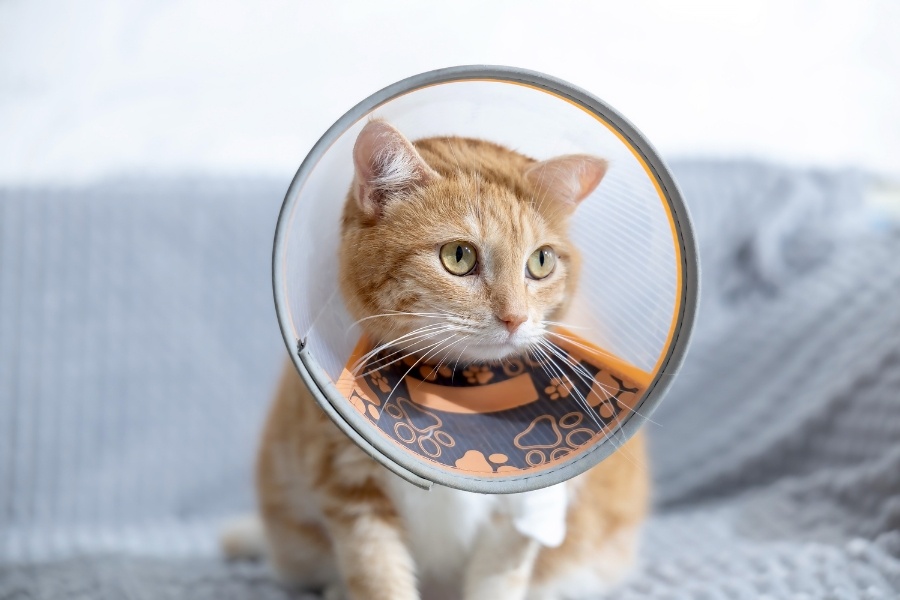
Prevent licking or chewing with the recommended recovery collar or protective garment. Even a pet who seems comfortable may irritate the incision if they repeatedly lick it. Do not apply ointments or clean the area with products unless your veterinarian recommends them.
Respect Activity Restrictions
Your pet may appear ready to play before healing is complete. Follow instructions about walks, stairs, jumping, running, and interactions with other animals. The right restrictions depend on the procedure, so avoid increasing activity simply because your pet seems energetic.
Keep follow-up appointments as recommended. Your veterinarian can assess healing and advise when your pet can gradually return to normal routines.
Difficulty breathing, collapse, uncontrolled bleeding, pale or bluish gums, or severe pain require immediate veterinary attention. If you are uncertain whether a symptom is expected, contact your veterinary team rather than guessing.
A smoother surgical experience begins with preparation: understanding the procedure, following pre-surgical instructions, arranging a safe journey, and creating a suitable recovery space. Staying in touch with your veterinary team also helps you respond appropriately if questions or concerns arise during healing.
If your pet is scheduled for a procedure or you have questions about surgical preparation, schedule an appointment to discuss your pet’s needs and how to help them feel as comfortable as possible.
Frequently Asked Questions
Q1. Should I change my pet’s routine before surgery?
Ans: Follow your veterinarian’s instructions about meals, water, medication, and activity. Avoid making changes on your own, and ask the clinic if you are unsure about any part of the preparation plan.
Q2. How can I stop my pet from licking the incision?
Ans: Use the recovery collar or protective garment recommended by your veterinarian. Keep an eye on your pet and contact the clinic if they can still reach the surgical area.
Q3. When should I contact a veterinarian during recovery?
Ans: Contact your veterinary team if your pet’s condition worsens, the incision changes noticeably, or you are concerned about pain, appetite, or medication. Serious signs such as difficulty breathing or collapse require immediate veterinary attention.
Q4. How does Meadowbrook Veterinary Clinic help owners prepare for pet surgery?
Ans: The veterinary team can explain preparation instructions, discuss your pet’s individual needs, and answer questions about anesthesia, medications, and the recovery period.
Q5. Why should I tell Meadowbrook Veterinary Clinic about changes in my pet’s health before surgery?
Ans: New symptoms or changes in behavior may affect the pre-surgical assessment. Sharing these details helps the veterinary team decide whether any additional evaluation or adjustments are needed.
Q6. What should I clarify with Meadowbrook Veterinary Clinic before taking my pet home?
Ans: Ask about medication schedules, feeding, incision care, activity limits, follow-up visits, and signs that require a call. Clear instructions can help you provide appropriate care once your pet is home.
Related Articles
[theme_related]