Great Careers Start Here! We’re Hiring a Part-time or Full-Time Veterinarian. Learn More.

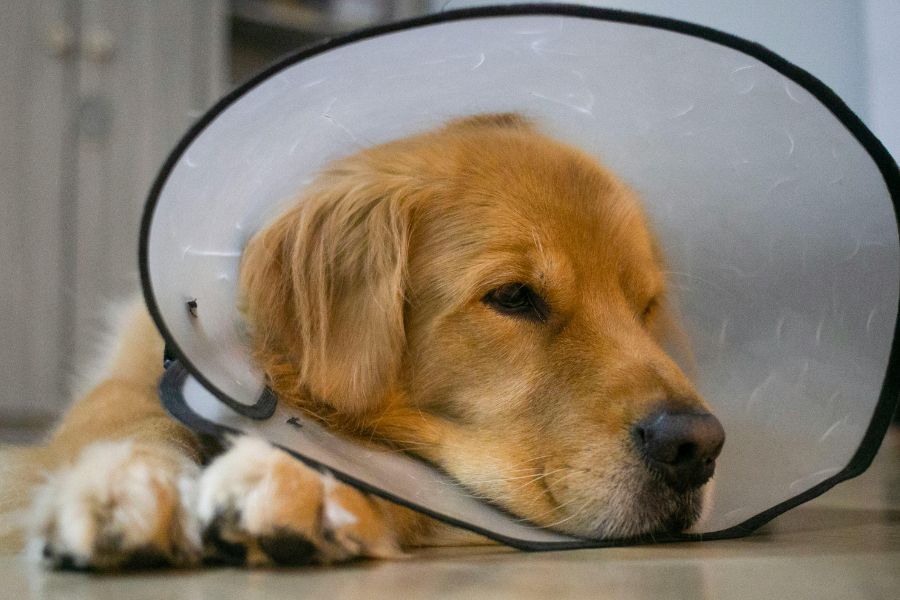
When a veterinarian tells you that your pet may need surgery, it is natural to have concerns. You may wonder whether the procedure is necessary, how your pet will be prepared, what happens while they are under anesthesia, and how long it will take before they are back to normal. Having a better understanding of the surgical process can help you make informed decisions and prepare for the care your pet may need.
For pet owners in South Peoria, IL, and the surrounding Peoria area, knowing the basics of veterinary surgery can also help you recognize when a health concern requires professional attention. Because every pet and medical condition is different, your veterinarian will create a treatment plan based on your pet’s diagnosis, age, health history, and individual needs.
Pet surgery may be recommended for a variety of conditions. Some procedures are scheduled after a diagnosis, while others may be needed following an accident, injury, or sudden medical problem. Although the details vary, most surgical cases involve several important stages, including evaluation, preparation, treatment, and recovery.
When Does a Pet Need Surgery?
Surgery is one of several treatment options available in veterinary medicine. A veterinarian may recommend it when a condition cannot be effectively managed with medication or other nonsurgical approaches.
Some common reasons pets may require surgery include:
- Removing a tumor, mass, or abnormal tissue
- Repairing certain traumatic injuries
- Removing a gastrointestinal obstruction
- Treating specific orthopedic problems
- Addressing certain urinary or reproductive conditions
- Treating some dental and oral disorders
Your veterinarian should explain the reason for the procedure and what they hope to accomplish through treatment. Depending on your pet’s condition, there may also be alternative approaches worth discussing.
How Is a Pet Prepared for Surgery?
Before surgery, your veterinarian will evaluate your pet to determine their current health and identify factors that could affect treatment. This typically includes a physical examination and a review of their medical history.
Diagnostic testing may also be recommended. Blood tests, X-rays, ultrasound, or other evaluations can help the veterinary team better understand your pet’s condition and determine whether additional precautions are needed before anesthesia.
What Information Should You Share?
Be as thorough as possible when discussing your pet’s health with the veterinary team. Tell them about prescription medications, supplements, allergies, previous anesthesia reactions, and any recent illnesses or changes in behavior.
Symptoms such as vomiting, diarrhea, coughing, poor appetite, unusual fatigue, or changes in drinking and urination may be important. Sharing these details allows the veterinary team to determine whether your pet is ready for the planned procedure or needs further evaluation.
What Happens During Pet Surgery?
Most surgical procedures require anesthesia to keep your pet comfortable and prevent movement during treatment. Once anesthesia is administered, the veterinary team monitors your pet throughout the procedure.
Monitoring may include checking vital signs and other important indicators of your pet’s condition. The specific approach depends on the type of surgery, the expected length of the procedure, and your pet’s overall health.
Before the procedure begins, your veterinarian should discuss the surgical plan and explain what you can expect during the immediate recovery period.
What Happens After Surgery?
The recovery process begins as your pet wakes from anesthesia. Depending on the procedure and your pet’s condition, they may return home the same day or remain at the veterinary hospital for additional observation.
Once home, following your veterinarian’s instructions is essential. Your pet may need:
- Medications given according to the prescribed schedule
- Limited running, jumping, or strenuous exercise
- Regular observation of the incision
- Protection from licking or chewing at the surgical site
- Monitoring of eating, drinking, behavior, and bathroom habits
- A follow-up appointment
Your pet may be sleepy, quiet, or less interested in normal activities immediately after anesthesia. Your veterinarian can tell you what to expect and when a change may indicate a problem.
How Long Does Recovery Take?
The length of recovery depends largely on the type of surgery and your pet’s individual circumstances. Age, overall health, the complexity of the procedure, and the body’s healing response can all affect recovery.
Some pets may need only a short period of restricted activity after a minor procedure. Others may need several weeks of controlled movement following a more involved operation.
One of the most important things to remember is that your pet may feel better before the affected area has completely healed. Even if they seem ready to play, running and jumping too soon could interfere with recovery. Follow your veterinarian’s activity restrictions until your pet has been cleared for normal activity.
What Signs Could Indicate a Problem?
Careful observation is especially important during the first part of recovery. Contact your veterinary team if your pet develops symptoms that seem unusual or becomes progressively worse.
Potential warning signs include:
- Difficulty breathing
- Persistent vomiting
- Severe weakness
- Uncontrolled bleeding
- Significant swelling
- Increasing pain
- Problems around the incision
- Refusing food
- Extreme or worsening lethargy
- A general decline instead of gradual improvement
If you are unsure whether something you notice is expected, contact your veterinarian for advice. It is better to ask about a concerning change than to ignore a potential complication.
Helping Your Pet Recover After Surgery
A successful surgical outcome involves more than the procedure itself. Careful evaluation before treatment, appropriate preparation, close monitoring, and attentive aftercare all have an important role in your pet’s recovery.
For families in South Peoria and nearby communities, Meadowbrook Veterinary Clinic can help evaluate your pet’s health concerns and discuss treatment options that may be appropriate for their condition. If your pet has been diagnosed with a problem that could require surgery or you have noticed changes in their health, schedule an appointment to discuss the next steps with your veterinary team.
Frequently Asked Questions
Q1. How does a veterinarian decide if a pet needs surgery?
Ans: The decision is based on factors such as your pet’s symptoms, physical examination, medical history, and diagnostic findings. Your veterinarian will determine whether surgery is an appropriate option for treating the specific condition.
Q2. What testing may be needed before pet surgery?
Ans: Depending on your pet’s health and the procedure, your veterinarian may recommend blood work, X-rays, ultrasound, or other diagnostic tests. These evaluations can help identify potential health concerns before anesthesia and surgery.
Q3. How long does it take for a pet to recover from surgery?
Ans: There is no universal recovery timeline. Minor procedures may require a relatively short recovery period, while more complicated surgeries can require several weeks of restricted activity and monitoring.
Q4. Does Meadowbrook Veterinary Clinic provide pet surgery?
Ans: Meadowbrook Veterinary Clinic can evaluate pets with conditions that may require surgical care and discuss treatment recommendations based on each pet’s diagnosis, health, and individual circumstances.
Q5. What should I ask my veterinarian before surgery?
Ans: Ask why the procedure is recommended, what it involves, whether other treatment options exist, what preparation is required, what recovery may look like, and which symptoms should prompt you to contact the veterinary team.
Q6. What can I do to support my pet after surgery?
Ans: Follow all instructions regarding medications, feeding, activity restrictions, incision care, and follow-up visits. Give your pet a calm, comfortable place to rest and monitor them closely throughout the recovery period.
Related Articles
[theme_related]