Great Careers Start Here! We’re Hiring a Part-time or Full-Time Veterinarian. Learn More.

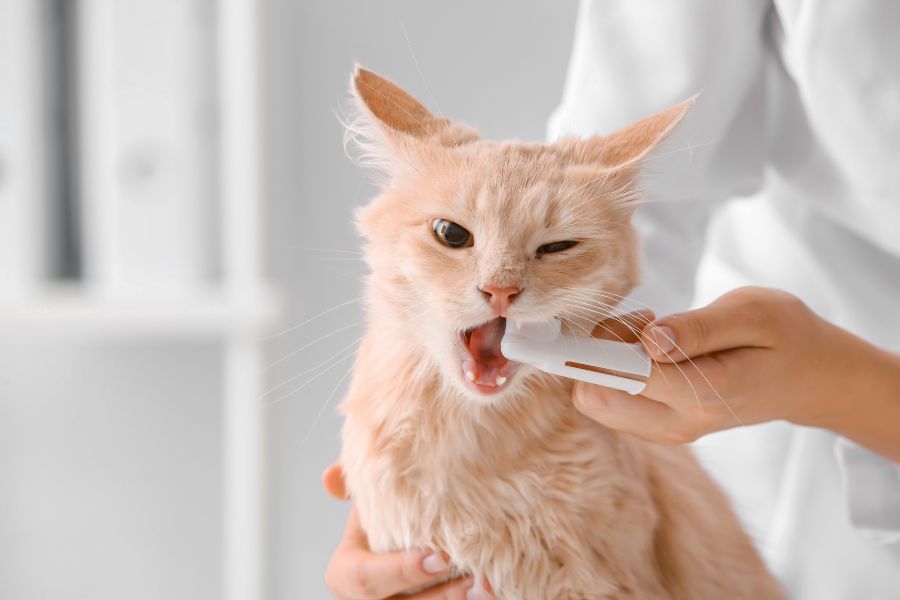
Bad breath is easy to dismiss as a normal part of having a dog or cat, especially if it seems mild or occasional. But persistent or unusually strong breath odor can sometimes point to an underlying dental problem. Since pets often hide discomfort, changes in their breath may be one of the first clues that something is wrong.
For pet owners in South Peoria, IL, paying attention to subtle changes in your pet’s mouth can help identify dental concerns earlier. Regular veterinary examinations provide an opportunity to check the teeth, gums, and other areas of the mouth that may not be easy to examine at home.
Pet dental care involves more than keeping your pet’s teeth clean. It also includes recognizing changes in breath, eating habits, chewing behavior, and gum health that could indicate a need for veterinary evaluation.
Is Bad Breath Normal for Dogs and Cats?
Mild breath odor can occur occasionally, but persistent or noticeably foul breath should not simply be considered normal. In many cases, ongoing bad breath is associated with plaque, tartar, gum inflammation, or periodontal disease.
Dental problems can develop gradually. Your pet may continue eating normally even while oral disease is progressing, which makes routine dental examinations particularly useful.
What Can Cause Bad Breath in Pets?
Dental disease is one of the most common reasons for persistent bad breath in dogs and cats. Bacteria can accumulate on the teeth and along the gumline, contributing to plaque and tartar buildup.
Several factors can contribute to unpleasant breath, including:
- Plaque and tartar accumulation
- Inflamed or infected gums
- Periodontal disease
- Damaged or diseased teeth
- Food or debris trapped around the teeth
- Oral growths or other mouth problems
Bad breath does not always tell you exactly what is causing the problem. A veterinary examination is needed to determine what may be happening inside your pet’s mouth.
What Other Signs Should You Watch For?
Bad breath becomes more concerning when it occurs alongside other changes. Watch for differences in your pet’s normal eating or chewing behavior, particularly if your pet suddenly prefers softer food, drops food, chews on one side, or seems uncomfortable while eating.
Other possible signs of oral health problems include:
Red or Bleeding Gums
Healthy gums should not routinely bleed. Redness, swelling, or bleeding around the gumline may indicate inflammation and should be evaluated by a veterinarian.
Excessive Drooling
Some pets naturally drool more than others, but a noticeable increase in drooling can sometimes accompany oral discomfort or other health concerns.
Loose, Broken, or Discolored Teeth
Changes to the appearance or condition of your pet’s teeth can indicate dental disease or injury. A broken tooth may also be painful even if your pet continues behaving normally.
Changes in Behavior
A pet with oral discomfort may become less interested in chewing, playing with toys, or having its face touched. Some pets may also become quieter or more irritable than usual.
Why Can Dental Problems Be Difficult to Notice?
Dogs and cats may continue eating despite dental discomfort. They may also adapt their chewing habits or swallow food without chewing normally. This means a pet appearing to eat well does not necessarily mean its mouth is healthy.
Some dental problems can also develop below the gumline, where they cannot be easily seen during a quick look at home. Professional veterinary examinations can help identify concerns that may otherwise go unnoticed.
How Can You Support Your Pet’s Dental Health?
Consistent oral care can help support your pet’s dental health. Depending on your pet’s needs, your veterinarian may recommend regular tooth brushing, dental products designed for pets, professional dental cleanings, or other preventive measures.
At home, introduce tooth brushing gradually and use products specifically made for pets. Human toothpaste should not be used because some ingredients can be unsafe for animals.
Routine veterinary examinations are also important. Your veterinarian can assess your pet’s teeth and gums and recommend appropriate dental care based on age, health, and oral condition.
When Should You Contact a Veterinarian?
Schedule a veterinary examination if your pet has persistent bad breath, red or swollen gums, bleeding, difficulty chewing, excessive drooling, loose or damaged teeth, facial swelling, or noticeable changes in eating behavior.
A prompt evaluation is especially appropriate if your pet appears painful, stops eating, becomes unusually lethargic, or develops significant swelling around the mouth or face.
For pet owners looking into pet dental care in South Peoria, a veterinary examination can help determine whether bad breath is simply a minor concern or a sign of a dental problem requiring attention.
Bad breath should not automatically be treated as a normal part of having a dog or cat. Persistent odor, especially when combined with changes in chewing, appetite, gums, or behavior, can be a reason to have your pet’s mouth examined. Meadowbrook Veterinary Clinic in South Peoria, can help evaluate your pet’s oral health and recommend appropriate dental care based on their individual needs.
If you have noticed ongoing bad breath or other changes in your pet’s mouth, schedule an appointment for a veterinary evaluation and discuss the best approach to maintaining your pet’s dental health.
Frequently Asked Questions
Q1. How often should my pet have a dental examination?
Ans: The appropriate frequency depends on your pet’s age, health, breed, and existing dental condition. Your veterinarian can recommend an examination schedule based on your pet’s individual needs.
Q2. Can bad breath mean my pet has dental disease?
Ans: Yes. Persistent bad breath can be associated with plaque, tartar, gum inflammation, periodontal disease, or other oral problems. An examination is needed to determine the underlying cause.
Q3. Can I brush my dog’s or cat’s teeth at home?
Ans: Yes, regular brushing with pet-safe toothpaste can be part of a dental-care routine. It is best to introduce brushing gradually and ask your veterinarian about suitable products and techniques.
Q4. Does Meadowbrook Veterinary Clinic provide pet dental care?
Ans: Meadowbrook Veterinary Clinic provides veterinary care that can include evaluation and management of pets’ oral health needs. The appropriate dental care depends on each pet’s examination findings.
Q5. Should I bring my pet in if the bad breath is the only symptom?
Ans: Persistent bad breath is worth discussing with a veterinarian even when no other obvious symptoms are present. Pets may have dental problems without showing clear signs of discomfort.
Q6. Can routine veterinary visits help identify dental problems?
Ans: Yes. Routine examinations give the veterinary team an opportunity to assess the teeth, gums, and mouth and identify changes that may not be obvious at home.
Related Articles
[theme_related]